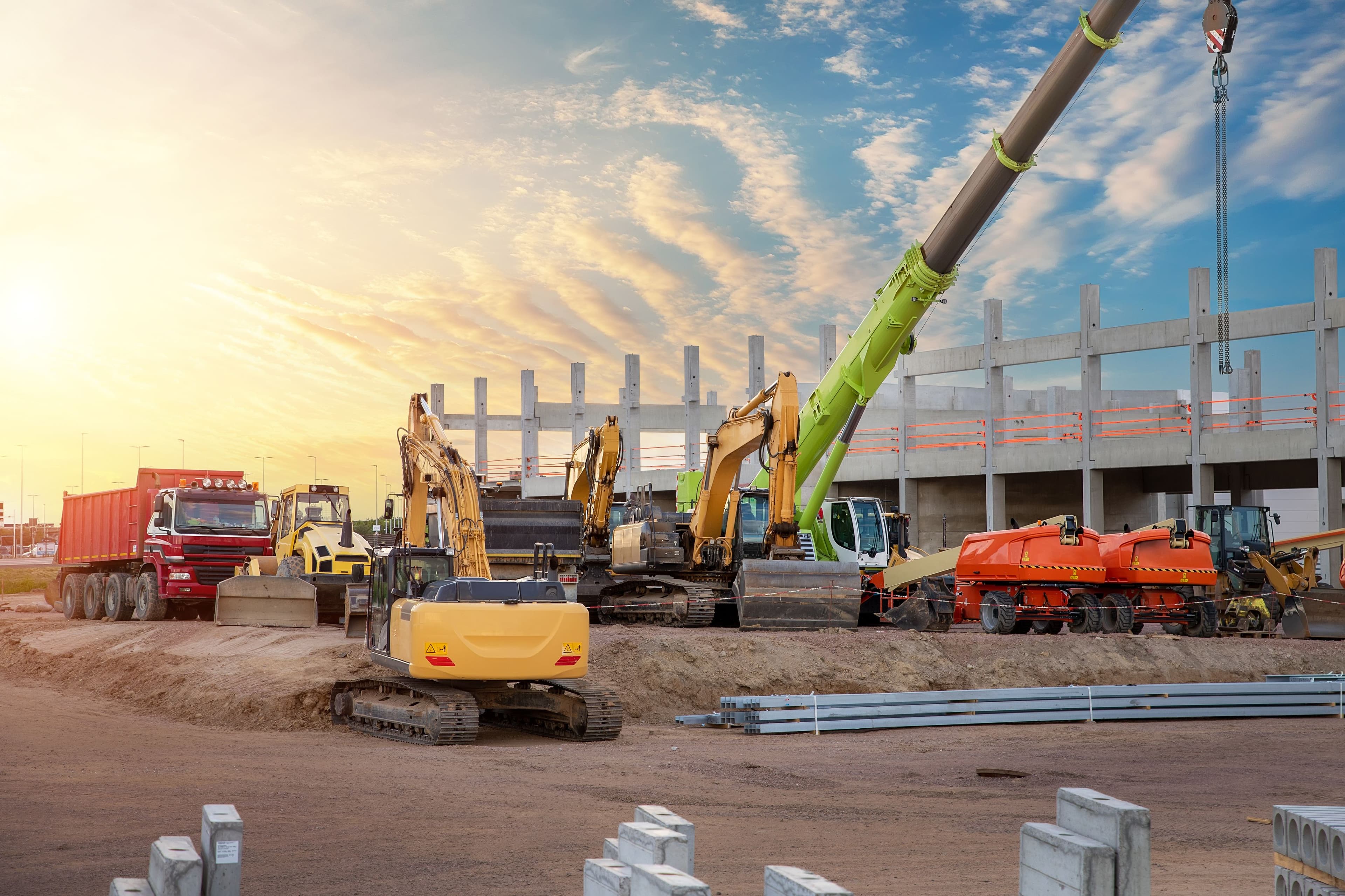
Cranes are essential machines in the construction, industrial, and heavy equipment industries. Whether you're lifting steel beams, constructing tall buildings, or moving large loads across construction sites, the right crane is crucial for efficiency and safety. At Crane Network, we provide a comprehensive selection of cranes for sale and rent, including cranes available for sale rent and auction, tailored to meet the unique needs of various projects. In this article, we’ll handle understanding the different types of cranes and look closely at types of cranes and their applications to help you figure out how to choose the right crane for your project.
Types of Cranes
There are several types of cranes, each designed for specific tasks. The most common types include:
1. Rough Terrain Cranes
- Rough terrain cranes are designed for off-road use, typically equipped with large tires to maneuver through rugged terrain. These cranes are ideal for construction projects in remote locations or sites with poor road access.
- Applications: Oilfield construction, site preparation, and heavy lifting in rough environments.
- Read more about Rough Terrain Cranes in our blog on Rough Terrain Crane.
2. Lattice Boom Cranes
- A lattice boom crane features a lattice-style structure that provides strength and flexibility, making it suitable for high-capacity lifting. These cranes are ideal for long boom lengths and heavy loads.
- Applications: Construction of tall buildings, bridge erection, and marine construction.
- Learn more about the workings of a lattice boom crane in our blog on What is Lattice Boom Crane.
3. Telescopic Cranes
- Telescopic cranes are equipped with a boom that can extend, making them versatile for material handling cranes setups and general tasks. These cranes are often used in tight spaces where long booms are not feasible. To get started, you can get quotes for telescopic cranes directly.
- Applications: Urban construction, maintenance, and material handling.
- Explore our telescopic crane options in the crane listings available for sale or rent at Telescopic Cranes.
4. Truck-Mounted Cranes
- These truck mounted cranes are attached to a vehicle, making them easy to transport from one location to another. They offer mobility and versatility, making them suitable for a variety of tasks. It is easy to find truck mounted cranes for sale or auction to expand your fleet.
- Applications: Road construction, utility work, and general lifting.
- Find truck-mounted cranes for sale or auction in our Truck-Mounted Cranes.
5. Crawler Cranes
- Crawler cranes are mounted on tracks, providing excellent stability and the ability to operate on soft or uneven ground. These cranes are ideal for heavy-duty lifting tasks.
- Applications: Road construction, utility work, and general lifting.
Find truck-mounted cranes for sale or auction in our Truck-Mounted Cranes. - Check out crawler cranes available for rent or purchase in our Crawler Cranes Listings.
6. Floating Cranes
- Floating cranes are mounted on barges and used for lifting heavy loads in marine environments. These cranes are particularly useful for offshore construction or shipping.
- Applications: Port construction, bridge building, and offshore platforms.
- Explore floating cranes for sale or rent through our listings at Floating Cranes.
Choosing the Right Crane for Your Project
Selecting the right crane depends on several factors:
- Load Capacity: Determine the weight of the load you need to lift. Cranes come in a range of capacities, from lightweight models for small projects to heavy-duty cranes for industrial applications.
- Height and Reach: Consider the lifting height and boom reach required for your project. Some cranes are designed for extended reach, while others are ideal for working in tight spaces.
- Terrain and Accessibility: The type of terrain you'll be working on plays a major role in choosing the crane. For uneven ground, a crawler crane or rough terrain crane is a good option, while for urban sites, a telescopic crane or truck-mounted crane might be better suited.
Why Choose Crane Network for Your Crane Needs?
On the Crane Network marketplace, we offer a variety of units through our extensive Crane Network crane listings. We also provide Crane Network financing and shipping services alongside affordable crane financing options to make your equipment acquisition easier and more cost-effective.
For more information on crane services, financing options, and to browse crane listings for available units, visit our Services page. You can also browse cranes on Crane Network blog for more industry insights.
Conclusion
Choosing the right crane for your construction or industrial project is crucial for ensuring efficiency and safety. Whether you need a rough terrain crane, crawler crane, or floating crane, Crane Network offers a comprehensive selection of cranes suited to various tasks. Visit our Blog for more insights on crane types, applications, and how to make the most of your crane rental or purchase.
Frequently Asked Questions (FAQs)
1. What are the main types of cranes and their applications in heavy construction?
There are several different types of cranes used across industries, including rough terrain cranes for off-road environments, crawler cranes for soft ground, and lattice boom cranes for high-capacity lifting structures. Their applications range from oilfield construction lifting to high-rise building erection and offshore platforms construction.
2. How do I choose the right crane for my project requirements?
To understand how to choose the right crane for your project, you must evaluate several critical factors: the weight of the load based on a guide to crane load capacity requirements, the needed extended boom reach, and terrain compatibility (such as choosing between tracks for uneven ground or tires for urban sites).
3. What is the difference between rough terrain and crawler cranes?
The primary difference between rough terrain and crawler cranes lies in their mobility and base structure. Rough terrain cranes are equipped with large rubber tires designed for off-road site preparation, while crawler cranes are mounted on tracks, making them the ideal crawler cranes for soft or uneven ground where stability is paramount.
4. When should a business consider a lattice boom crane over a telescopic crane?
A business should review a lattice vs telescopic boom cranes comparison when planning heavy-duty tasks. You should opt for lattice boom cranes when your project demands a lightweight yet high-capacity lifting structure for extreme heights. Telescopic cranes are preferred for quick setup, tight spaces, and versatile material handling cranes configurations.
5. Where can I safely find cranes for sale and rent with financing options?
You can securely browse comprehensive heavy duty crawler cranes listings, truck-mounted, or telescopic units on the Crane Network marketplace. The platform offers access to verified cranes available for sale rent and auction, while also providing affordable crane financing options to simplify your corporate equipment acquisition process.