

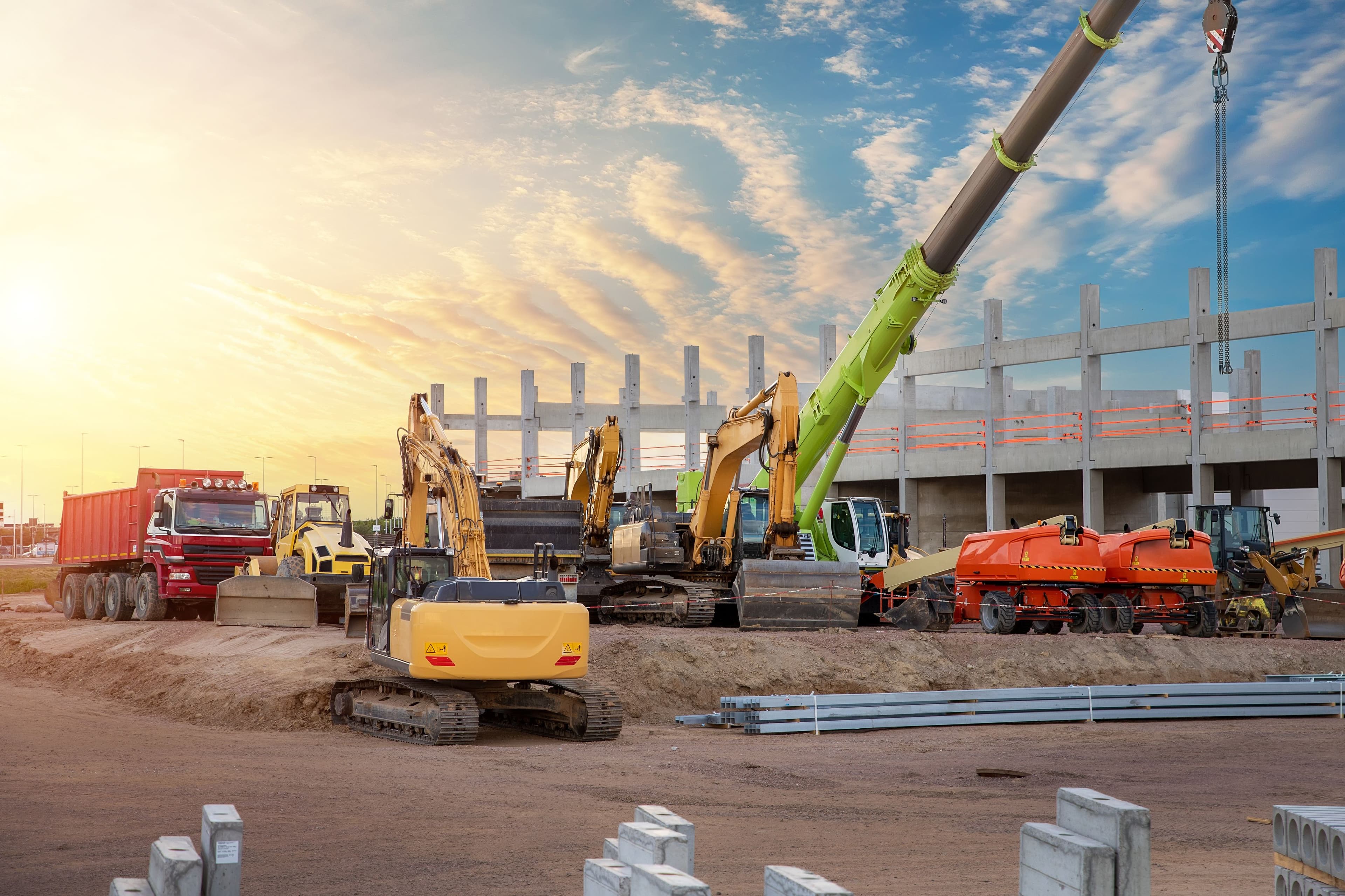
Buyers researching crane types for heavy lifting on soft ground, congested sites, or extended-duration projects frequently land on crawler cranes as a serious option, and for good reason. Crawler cranes deliver a combination of stability, lifting capacity, and ground pressure distribution that wheeled crane categories simply can't match in certain conditions, making them a genuinely essential equipment category for specific project types even though they come with tradeoffs buyers should understand clearly before purchasing.
A crawler crane travels on tracks rather than wheels, distributing its substantial weight across a much larger ground contact area than a wheeled crane's tires would provide. This track-based design gives crawler cranes exceptional stability for heavy lifts and allows them to operate on soft, uneven, or unimproved ground that would be problematic or impossible for a wheeled crane to work on safely. Unlike rough terrain or all-terrain cranes, crawler cranes generally cannot travel under their own power on public roads, requiring disassembly and specialized transport to move between job sites.
This tradeoff, exceptional ground stability and lifting performance in exchange for road mobility, defines much of how buyers should think about whether a crawler crane fits their specific operational needs. Our overview of rough terrain cranes covers a wheeled alternative that offers considerably more mobility for buyers whose projects don't specifically require a crawler's ground stability advantages.
Crawler cranes are the preferred choice for major infrastructure projects, large industrial construction, wind turbine installation, and any lift requiring substantial capacity combined with a stable base on ground that a wheeled crane's outriggers couldn't adequately support. Their ability to travel short distances around a job site while still rigged and, in some cases, even while carrying a load, gives them practical advantages on large sites where repositioning between lift locations happens frequently throughout a project's duration.
The lattice boom design common to most crawler cranes, covered in more depth in our guide to lattice boom cranes, also supports exceptional lift height and capacity combinations that telescopic boom cranes often can't match at comparable price points, which is part of why crawler cranes remain the standard choice for the heaviest, tallest lifts across major construction and industrial projects.
Crawler cranes span an enormous capacity range, from smaller models suited to mid-size commercial construction up through massive machines capable of lifts exceeding several hundred tons for major industrial and infrastructure work. Buyers should work backward from their actual anticipated lift requirements, maximum load weight, lift radius, and lift height, rather than purchasing based on a general sense of project scale, since crawler crane pricing and operating cost scale considerably with capacity and oversizing represents real unnecessary capital investment.
Buyers uncertain about matching capacity to actual project needs should review load chart data carefully for any crane under consideration, since a crane's rated capacity varies significantly depending on boom length, lift radius, and configuration, and a machine that looks adequately sized based on maximum capacity alone may not actually deliver sufficient capacity at the specific radius and height a given project requires.
Because crawler cranes generally can't travel on public roads while assembled, moving one between job sites requires disassembly into transportable components, multiple trucks to haul those components, and reassembly at the destination site using either the crane's own systems or an assist crane, all of which adds real time and cost to any project requiring crawler crane mobilization. Buyers evaluating a crawler crane purchase should factor these transport and assembly logistics into their total cost picture, since a crane that's cheaper to purchase but expensive and slow to mobilize between sites may not deliver better overall value than a more mobile alternative for operations with frequent site changes.
This logistics reality is one reason many buyers evaluating heavy lifting equipment compare crawler cranes against telescopic boom alternatives, covered in our telescopic boom crane guide, which generally offer faster mobilization at the cost of some capacity and lift height compared to a comparably priced crawler crane.
Crawler cranes represent a substantial capital investment, and the new-versus-used decision deserves careful evaluation given how significant that investment typically is. Used crawler cranes can offer meaningful value for buyers with a clear sense of the specific inspection and maintenance history they need to verify before purchase, while new cranes offer the advantage of full warranty coverage and current technology without the uncertainty of an unknown prior duty cycle and maintenance history.
Our guide on how to buy used cranes online safely covers the due diligence steps that apply directly to used crawler crane purchases, including verifying maintenance records, requesting a professional inspection, and understanding a specific machine's total operating hours and load history before committing to a purchase of this scale.
Crawler crane operation requires specialized certification beyond general crane operator qualifications in many jurisdictions, given the unique handling characteristics, track-based travel, and typically larger scale of crawler crane operations compared to smaller wheeled crane categories. Buyers should confirm their operating team holds appropriate certification for the specific crawler crane class being purchased, or budget for training and certification costs as part of the overall acquisition, since operating a crane of this scale without properly certified operators creates significant safety and liability exposure regardless of how capable the machine itself is.
Crawler cranes carry maintenance considerations distinct from wheeled crane categories, centered heavily around track and undercarriage wear, which accumulates differently than tire wear on a wheeled machine and requires its own inspection and service routine. Track pad wear, roller and idler condition, and undercarriage alignment all need regular attention, and buyers evaluating a used crawler crane should pay particular attention to undercarriage condition specifically, since track and undercarriage repair or replacement represents one of the more significant potential expense categories on an aging crawler crane.
Buyers should request detailed undercarriage inspection findings as part of any used crawler crane purchase evaluation, treating this component category with the same scrutiny typically applied to boom condition and load-bearing structural components during a pre-purchase inspection.
Owners looking to sell or trade a crawler crane as their operational needs evolve should understand how the used crawler crane market values these machines, since capacity class, boom configuration, total hours, and documented maintenance history all affect resale value considerably. Our article on maximizing crane resale value through pricing strategy applies directly to crawler crane sellers, and understanding current market demand for specific capacity classes helps sellers price realistically rather than overestimating value based on original purchase price alone.
Crawler cranes represent one of the larger equipment purchases a buyer is likely to make, and financing terms deserve as much attention as the crane specifications themselves. Lenders evaluating crawler crane financing typically look closely at the buyer's project pipeline and utilization plans, since a crane sitting idle between infrequent large projects carries a different risk profile than one supporting steady, predictable work. Buyers should approach financing conversations with a clear utilization plan in hand, since this materially affects the terms a lender is willing to offer on equipment of this scale and cost.
Total cost of ownership for a crawler crane extends well beyond the purchase price to include transport and mobilization costs across the equipment's working life, undercarriage and track maintenance, operator certification and training, and the insurance costs associated with operating heavy lifting equipment at this scale. Buyers who model this full cost picture before committing to a purchase make considerably better-informed decisions than those who focus primarily on the headline purchase price without accounting for these substantial ongoing costs.
Buyers researching crawler crane purchases increasingly have the option to source equipment through online marketplaces alongside traditional equipment dealers, and each channel carries its own advantages worth understanding. Our coverage of how digital marketplaces are transforming crane buying and selling discusses the broader shift toward online crane transactions, which often gives buyers access to a wider selection of available inventory and more transparent pricing data than working exclusively with a single regional dealer.
That said, a crawler crane's scale and complexity make the due diligence steps covered earlier in this guide, inspection, maintenance history verification, and undercarriage condition assessment specifically, even more important when purchasing through a marketplace rather than an established dealer relationship where some of that vetting may already be built into the transaction. Buyers should never skip independent inspection on a purchase of this scale regardless of which channel they use to find the equipment.
Buyers evaluating a crawler crane purchase should weigh its genuine strengths, exceptional ground stability, substantial lifting capacity, and strong performance on soft or uneven terrain, against its real limitations around road mobility and the transport logistics that come with relocating the machine between job sites. For projects genuinely requiring the capacity and stability a crawler crane delivers, no wheeled alternative offers a comparable substitute, and buyers who work through capacity requirements, transport logistics, and maintenance considerations honestly before purchasing put themselves in the strongest position to get real value from this significant equipment investment.
