

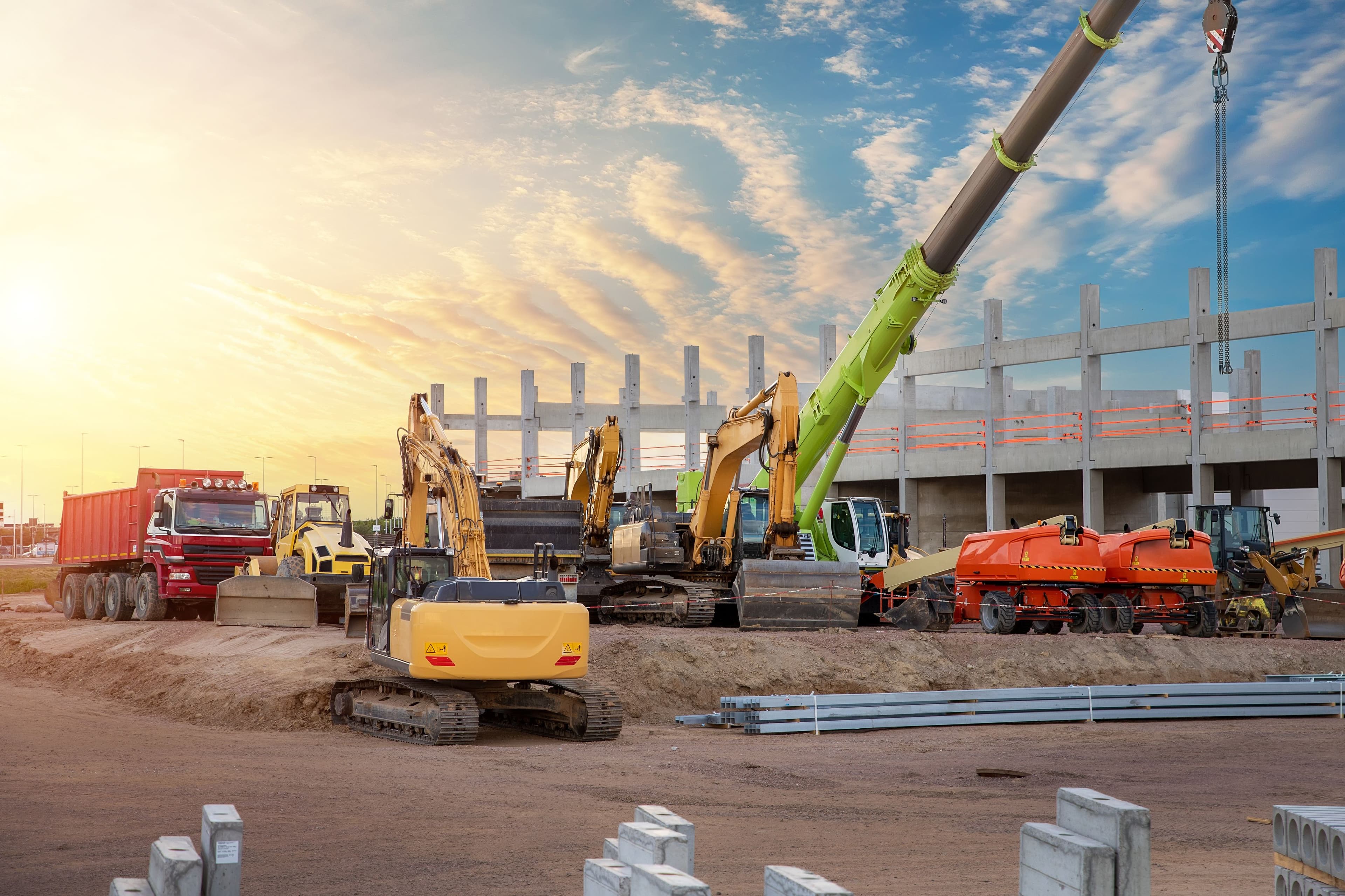
Managing a crane fleet is about far more than simply purchasing equipment and putting it to work. Every crane follows a lifecycle that begins with acquisition, continues through years of operation and maintenance, and eventually ends with resale or replacement. Companies that actively manage this lifecycle often achieve higher returns on investment, lower operating costs, and stronger long-term profitability.
Whether operating a single crane or managing an extensive fleet, understanding lifecycle management principles can help businesses make smarter decisions regarding equipment acquisition, utilization, maintenance, and disposition. In today's competitive construction and heavy lifting industries, effective fleet planning has become a major factor in maintaining operational efficiency and financial success.
This article explores the key stages of crane fleet lifecycle management and how businesses can maximize equipment value from purchase to resale.
Every crane moves through several distinct stages during its operational life.
These stages typically include:
Each phase presents unique opportunities and challenges.
Companies that proactively manage these stages often avoid unnecessary expenses while maximizing the value generated by their equipment assets.
Before selecting equipment, buyers should understand the various machine categories discussed in Types of Cranes and Understanding the Different Types of Cranes and Their Applications .
Choosing the right crane at the beginning of the lifecycle significantly impacts long-term performance.
The lifecycle begins with acquisition.
Purchasing decisions should be based on more than immediate project requirements.
Key considerations include:
Companies often encounter challenges when purchasing equipment solely based on short-term needs.
A strategic approach considers how the crane will fit into broader fleet objectives over several years.
Digital purchasing tools continue simplifying equipment acquisition, as discussed inDigital Marketplaces Transforming Crane Buying and Selling .
Online platforms now provide buyers with greater access to inventory and market insights than ever before.
Selecting the wrong crane can create operational inefficiencies throughout the equipment's lifecycle.
Different crane types serve different applications.
For example:
Understanding these differences is essential when building a fleet.
Contractors evaluating equipment options can benefit from reviewing Rough Terrain Crane, Telescopic Boom Crane Guide, and What Is a Lattice Boom Crane.
Proper equipment selection improves both utilization and resale value.
Once equipment enters service, utilization becomes one of the most important factors influencing profitability.
A crane sitting idle generates expenses without producing revenue.
Successful fleet managers monitor:
Higher utilization generally improves return on investment while reducing ownership costs per operating hour.
Tracking utilization data also helps identify opportunities to redeploy underused assets or adjust future purchasing plans.
Maintenance is a critical component of lifecycle management.
Routine inspections and preventive maintenance help:
Waiting until problems occur often leads to more expensive repairs and increased downtime.
Effective maintenance programs typically include:
Consistent maintenance creates a documented service history that can significantly enhance resale opportunities later in the lifecycle.
Proper lifecycle management requires attention to key crane components that directly affect performance and reliability.
One of the most important elements is the boom system.
Boom condition influences:
Fleet managers responsible for inspection programs should understand the concepts discussed in What Is a Crane Boom .
Monitoring critical components helps prevent costly failures and extends operational life.
Technology continues transforming how companies manage crane fleets.
Modern systems provide valuable data on:
Access to real-time information allows managers to make proactive decisions rather than reacting to problems after they occur.
The broader impact of technology on crane operations is explored in Evolution of Crane Technology: Trends Shaping the Future .
Companies that leverage technology often achieve higher fleet efficiency and improved lifecycle outcomes.
The purchase price represents only one portion of total ownership costs.
Lifecycle expenses may include:
Successful fleet managers continuously evaluate these expenses to ensure equipment remains financially viable.
Understanding true ownership costs helps organizations determine when it may be more economical to replace equipment rather than continue operating aging assets.
Equipment values fluctuate based on market conditions.
Factors influencing resale value include:
Companies that monitor market trends can often identify ideal selling opportunities.
Selling equipment before major depreciation occurs frequently results in stronger returns and improved fleet renewal strategies.
Resale preparation should begin long before equipment is listed for sale.
Buyers generally look for:
Well-maintained equipment often commands higher prices and attracts more qualified buyers.
Organizations seeking to maximize returns can apply many of the strategies discussed in Maximize Crane Resale Value Pricing Strategy .
Preparation plays a major role in successful equipment sales.
Trust is a major factor in used equipment transactions.
Buyers want confidence that equipment descriptions accurately reflect actual condition.
Providing transparent information regarding:
helps build credibility and accelerate sales.
The importance of transparency is highlighted in Trust and Transparency in Online Heavy Equipment Sales .
Honest representation benefits both buyers and sellers.
The equipment sales process has changed dramatically over the past decade.
Online marketplaces now provide:
These platforms allow sellers to reach a broader audience than traditional local sales channels.
Businesses looking to modernize their sales strategies can benefit from insights shared in Building Trust in the Crane Market: How Crane Network Empowers Sellers .
Digital platforms have become essential tools for lifecycle management.
One of the most challenging fleet management decisions involves determining the right time to sell.
Indicators that replacement may be appropriate include:
Waiting too long can significantly reduce resale value while increasing ownership costs.
Proactive replacement planning helps businesses maintain fleet performance and financial stability.
Lifecycle management works best when integrated into a comprehensive fleet strategy.
Long-term planning should consider:
Rather than making isolated equipment decisions, successful organizations evaluate how each asset contributes to overall fleet objectives.
This strategic approach supports sustainable growth while improving operational efficiency.
Effective lifecycle management also reduces operational risk.
A structured approach helps companies:
By proactively managing equipment throughout its lifecycle, businesses position themselves for greater stability and long-term success.
Crane fleet lifecycle management extends far beyond purchasing equipment. It involves strategic planning, preventive maintenance, utilization optimization, market monitoring, and carefully timed resale decisions. Companies that actively manage every phase of the lifecycle often achieve lower ownership costs, higher equipment reliability, and stronger financial returns.
From selecting the right crane and maintaining peak operational performance to maximizing resale value through transparent sales practices, lifecycle management provides a framework for making smarter equipment decisions. As technology continues transforming the crane industry, organizations that adopt proactive lifecycle strategies will be better positioned to maximize the value of every asset in their fleet.
